Buying in Palo Alto often means choosing between two very different kinds of homes, and neither path is automatically better. You may love the idea of a clean, turnkey new build, or you may be drawn to the character and history of an older property. The right choice depends on how you weigh design, maintenance, renovation flexibility, and long-term costs. Let’s dive in.
Palo Alto Housing Sets the Stage
Palo Alto is a built-out city with very little vacant land, so brand-new single-family homes are usually created through infill or redevelopment rather than large new subdivisions. At the same time, the city has said housing demand has outpaced supply, which helps explain why buyers often face tough tradeoffs.
The housing stock is also older than many people expect. The city reports a median year built of 1955, with about 47% of housing units built before 1959 and only about 14% built from 2000 to the present. Detached single-family homes still make up the largest share of Palo Alto housing stock.
That context matters when you start comparing options. In a market where owner-occupied home values are listed at $2,000,000+, you are usually not just comparing purchase prices. You are also comparing likely upkeep, future upgrade costs, and how much work you want to take on after closing.
Why Buyers Choose New Construction
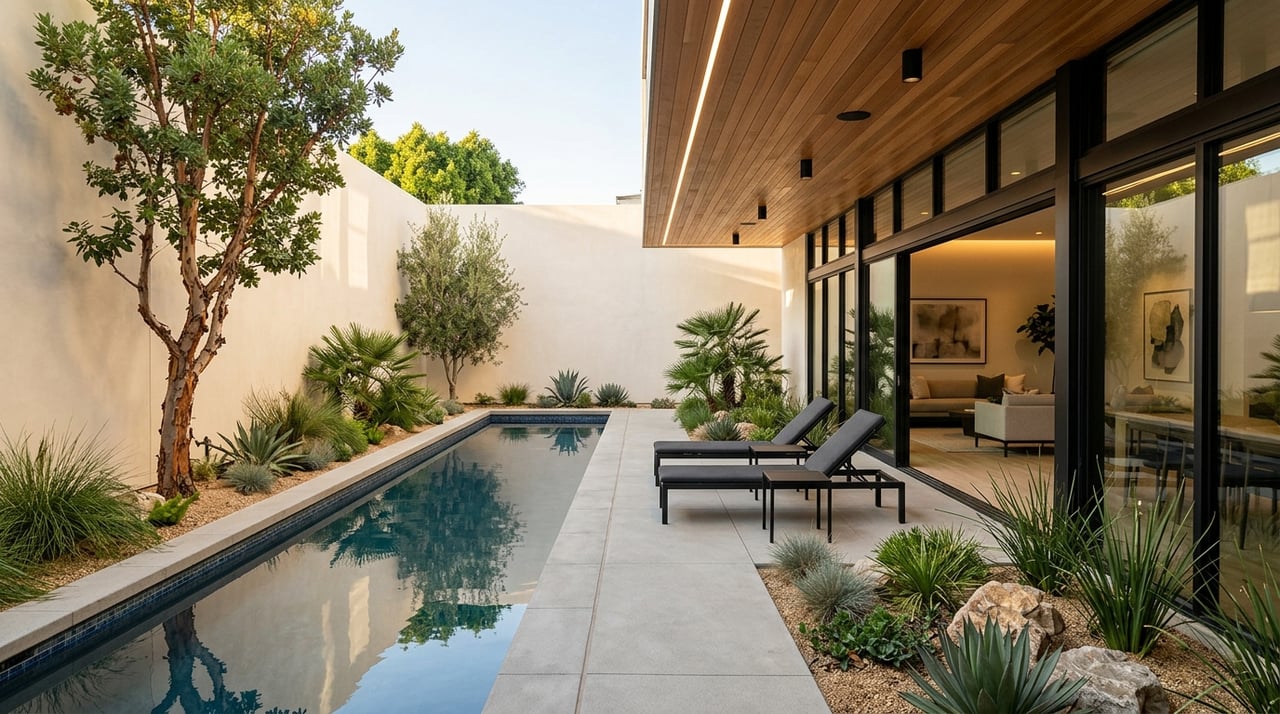
New construction in Palo Alto usually appeals to buyers who want a more current layout and fewer immediate projects. Because the home is being created rather than adapted from an older floor plan, you are often looking at spaces designed around how people live today.
That does not mean new homes can ignore their surroundings. Palo Alto requires many new two-story homes and major additions to follow objective design standards or go through Single Family Individual Review. The city also asks new homes to reflect neighborhood patterns, with details like unified facades, modest integrated garages, and privacy-conscious windows or decks.
Modern Layouts and Planning
If you want a home that feels more aligned with current preferences, new construction can be a strong fit. In practical terms, that may mean a more intentional layout, fewer awkward room connections, and less compromise around an original structure.
This can be especially helpful if you want a home that supports changing needs over time. Buyers who value flexible living areas, updated systems, and a simpler move-in process often lean toward newer homes for that reason.
Lower Near-Term Maintenance
One of the biggest advantages of a newer home is the chance to avoid a long list of immediate repairs. Compared with an older house, a new build will usually be more appealing if you want a cleaner handoff at closing and fewer early maintenance surprises.
That matters in Palo Alto, where repair and renovation work can be expensive. If your priority is to move in and focus on daily life instead of managing projects right away, new construction may offer more peace of mind.
Energy Code Advantages
New residential projects must comply with California’s 2025 Energy Code for permits applied for on or after January 1, 2026. The state says that code expands heat pump use in newly constructed residential buildings, encourages electric-readiness, and strengthens ventilation standards.
In general, newer high-performance homes are also more likely to include features like strong insulation, air sealing, efficient HVAC, efficient plumbing, and high-performance windows. For you, that can translate into easier planning if you care about future solar, EV charging, or home electrification.
New Construction Tradeoffs
The main downside is scarcity. Because Palo Alto has very little vacant land, truly new homes are limited and can command a premium.
There is also a process element to keep in mind. New homes and major additions may involve design review, which means the path to finished product can be shaped by city standards as well as buyer preferences.
Why Buyers Choose Historic or Older Homes
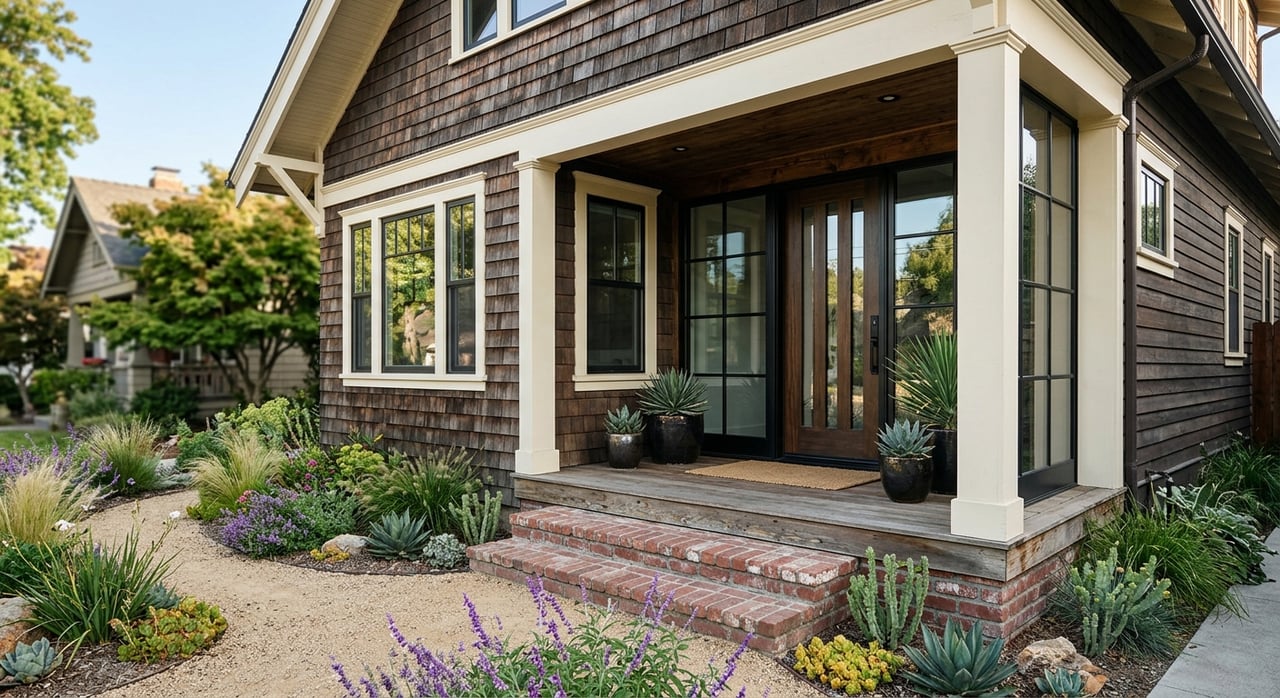
Older homes in Palo Alto often attract buyers who care about character, architectural variety, and an established setting. In many cases, you are not just buying a structure. You are buying into a streetscape, mature landscaping, and a sense of place that has developed over decades.
Palo Alto’s preservation program began in 1979 and includes four National Register districts along with hundreds of individually significant resources. The city identifies Professorville, Ramona Street Architectural, Green Gables, and Greenmeadow as historic districts.
Character and Architectural Identity
Palo Alto’s older housing stock spans a wide range of styles, including Colonial Revival, Craftsman, Mission Revival, Prairie, Queen Anne, Spanish Colonial Revival, Streamline Modern, and Tudor Revival. If you want design details that are hard to replicate in a new build, older homes can offer something distinct.
This appeal is not only about style. The city’s regulations are intended to preserve architectural variety, mature landscaping, and established neighborhood patterns, which helps explain why many buyers are drawn to these homes even when they know updates may be needed.
Older Does Not Always Mean Fixer
It is important not to assume that age alone means major problems. Palo Alto’s Housing Element says many older units have been substantially upgraded over the past 20 years, and neighborhood conditions generally appear good.
In other words, you may find an older home that already has meaningful improvements. The key is to look closely at what has actually been updated, rather than relying on the year built as a shortcut.
Renovation Flexibility Has Limits
Older homes can be flexible over time, but not every property offers the same freedom to change. If a home is a historic resource, many exterior projects require review.
The city notes that normal maintenance or repair, interior work, and landscaping typically do not require historic review if the exterior appearance does not change. But visible exterior additions or changes may involve a more detailed process, especially for designated resources or homes in historic districts.
Hidden Cost Risks to Evaluate
With an older home, the purchase price is only part of the picture. Older properties may need updates to insulation, windows, HVAC, plumbing, or electrical systems.
Energy performance can also be different from what you would expect in a newer home. The U.S. Department of Energy says many older homes have less insulation than homes built today, and a home energy audit can help identify air sealing and insulation needs.
If the home was built before 1978, you should also think about lead-based paint risk. The EPA says homes built before 1978 are more likely to contain lead-based paint, and renovation or repair work that disturbs it may require lead-safe practices.
New Construction vs Historic Homes
When buyers compare these two categories in Palo Alto, the real decision is usually not modern versus charming. It is a tradeoff among scarcity, efficiency, maintenance, renovation complexity, and the kind of living experience you want.
Here is a simple way to think about it:
| Home Type | Often Best For | Main Watchouts |
|---|---|---|
| New construction | Buyers who want turnkey condition, current energy-code performance, and fewer near-term repairs | Limited supply, premium pricing, design-review process |
| Historic or older home | Buyers who value character, established streetscapes, and long-term personalization | Possible upgrade costs, historic review, lead-safe renovation concerns |
Questions to Ask Before You Decide
Before you choose one path over the other, it helps to ask a few practical questions early. These questions can save you time, reduce surprises, and make your budget more realistic.
Is the Home Historically Designated?
Ask whether the property is in a historic district or on a historic inventory list. If it is, exterior changes may trigger review, which can affect your renovation plans, costs, and timeline.
How Much Work Do You Want After Closing?
Be honest about your appetite for projects. If you want a turnkey move, new construction may line up better with your goals.
If you are comfortable improving a home over time, an older property may offer more character and a different kind of value. The right answer depends on your time, budget, and stress tolerance.
What Systems Need Attention?
For an older home, look beyond finishes. Ask about insulation, windows, HVAC, plumbing, and electrical updates, since those items can shape both comfort and cost.
For a newer home, ask how the design and systems support future needs like electrification, EV charging, or other energy-related upgrades. That can matter more than cosmetic style in the long run.
Are You Comparing Total Cost or Just Price?
In Palo Alto, price alone rarely tells the whole story. A lower initial price on an older home may be paired with significant future spending, while a higher purchase price on a new home may come with fewer near-term repair needs.
The smartest comparison usually looks at both your closing-day budget and your likely 3-to-5-year ownership costs.
Which Palo Alto Home Fits You Best?
If you want simplicity, lower near-term maintenance, and a home built around current standards, new construction may be the better fit. If you care most about architectural character, mature surroundings, and the chance to shape a home over time, an older or historic property may make more sense.
In Palo Alto, both options can be strong choices. The goal is not to chase a category. It is to match the home to your priorities, your budget, and the kind of ownership experience you actually want.
If you want help comparing newer builds, older homes, or off-market opportunities in Palo Alto, connect with Aladdin Kanawati for clear, consultative guidance tailored to your goals.
FAQs
What makes new construction homes different in Palo Alto?
- New construction homes in Palo Alto are relatively rare because the city has very little vacant land, so most new single-family homes come from infill or redevelopment and often offer more current layouts and newer systems.
What should buyers know about historic homes in Palo Alto?
- Buyers should know that some Palo Alto homes are in historic districts or are designated resources, which can mean exterior changes require city review even though interior work and routine maintenance often do not.
Are older homes in Palo Alto always fixer-uppers?
- No, Palo Alto reports that many older homes have been substantially upgraded over the past 20 years, so the condition of any specific home depends more on its actual updates than its age alone.
How do energy costs compare between new and older Palo Alto homes?
- Newer homes are generally more likely to reflect current energy-code standards and modern efficiency features, while older homes may need added insulation, air sealing, or system upgrades to improve performance.
What is the biggest tradeoff between new construction and historic homes in Palo Alto?
- The biggest tradeoff is usually between turnkey convenience and code-era efficiency on one side, and character, established setting, and renovation potential on the other.
What questions should buyers ask before buying an older Palo Alto home?
- Buyers should ask whether the home is historically designated, whether it was built before 1978, and what updates have been made to insulation, windows, HVAC, plumbing, and electrical systems.