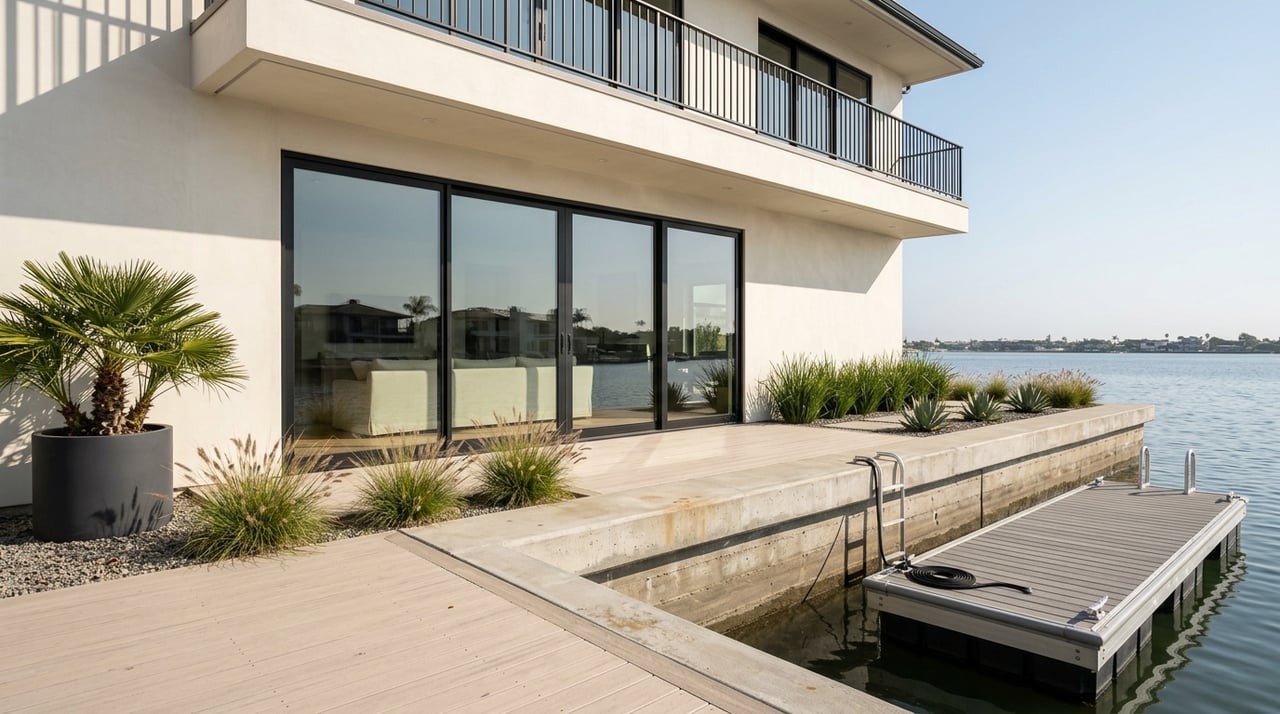
Wondering if a waterfront home in Redwood Shores is all view and no trade-offs? The setting is beautiful, but buying here comes with a different checklist than buying an inland home. If you are considering a lagoon-front property, this guide will help you understand the rules, costs, and long-term issues that matter most before you write an offer. Let’s dive in.
Why Redwood Shores Waterfront Homes Stand Apart
Redwood Shores is shaped by water in a very literal way. According to the City of Redwood City, levees ring the area because ground elevations are below high tides, and the interior lagoon functions as a stormwater retention pond while also supporting recreation.
That means the lagoon is not just a scenic feature behind the home. It is part of a managed system with public oversight, seasonal operations, and maintenance needs that can affect how you use and care for a waterfront property.
Understand the Lagoon’s Real Function
The lagoon adds lifestyle value, but it also serves an infrastructure role. The City says it stores runoff during high tide in San Francisco Bay, which helps explain why water levels and shoreline conditions are managed rather than left to nature alone.
You may notice seasonal changes as a result. Redwood City notes that lagoon water levels are lower in winter to preserve stormwater capacity and higher in summer to support recreation, so your water view may look different depending on the time of year.
Look Beyond the View
A waterfront lot in Redwood Shores should be evaluated for more than appearance. City materials on sea level rise point to local concerns such as flooding, rising groundwater tables, saltwater intrusion, and increased erosion.
For you as a buyer, that makes shoreline condition and future resilience part of the purchase decision. A gorgeous backyard view is important, but so is understanding how the bank, rip rap, and surrounding systems may hold up over time.
Expect a Layered HOA Structure
One of the biggest surprises for buyers is that waterfront ownership in Redwood Shores often involves more than a single property owner making independent decisions. The City says the Redwood Shores Owners Association, or RSOA, is the umbrella HOA for residential developments built in the Shores since 1981, and membership is mandatory for residential owners.
The same City overview says RSOA covers 4,084 residential units across 26 local HOAs, four apartment complexes, and one cooperative. In practice, that means you may be dealing with both a local HOA and the umbrella association, depending on the property.
Shared Amenities Come With Shared Rules
RSOA owns and maintains common-area parks, lagoon frontage, docks, and a boat launch at Don Warren Marina. That is a real lifestyle benefit, but it also means many waterfront features in the community are governed by association rules rather than handled only by the homeowner.
Before you buy, ask for all applicable HOA documents, dues, rules, and any recent notices. You want to know what is allowed, what requires approval, and what costs come with ownership beyond the mortgage.
Know the Rules for Boating and Water Use
If your dream is to step outside and spend the day on the water, be sure your expectations match Redwood Shores rules. The City says boating on the lagoon is available only for residents and or by permission of the Redwood Shores Community Association, and gas-powered boats are not allowed.
The City also states that swimming is allowed at your own risk, fishing requires a state permit, and HOA restrictions may apply as well. In other words, this is a managed recreational setting, not unrestricted private waterfront use.
Waterfront Improvements Need Careful Review
Buyers should pay close attention to any dock, deck, landscaping, retaining feature, or shoreline alteration already on the property. Redwood City’s lagoon bank policy says homeowners should use it as a guide for the design and maintenance of waterfront improvements, and many changes require City approval.
This matters during due diligence because a feature that looks finished and functional may still raise approval questions. If work was done without the required review, the City says non-permitted improvements can be forced to conform or be removed.
HOA Approval Is Not the Same as City Approval
This is one of the most important points for Redwood Shores buyers. The City makes clear that homeowners must comply with both City rules and HOA rules.
So if a seller says an improvement was HOA-approved, that does not automatically mean it received the City approval it needed. You should verify both.
Docks and Bank Stability Matter
The lagoon bank policy treats bank stability as a safety issue. The City says that in most cases, the property line extends into the water, making the lagoon bank and rip rap the owner’s responsibility.
The same policy says floating boat docks may be permitted, but docks with piers, decks that extend over the bank, and retaining walls built on the slope are not permitted if they add weight to the lagoon bank. That makes waterfront inspections and document review especially important.
Flood Risk Deserves a Fresh Look
Flood questions are a major part of buying near water in California, and Redwood Shores has an added layer because of its levee system. The official source for flood hazard mapping products is FEMA’s Flood Map Service Center, which buyers can use to verify current flood-zone information.
At the same time, Redwood City says FEMA notified the City in April 2020 that if the levee system around Redwood Shores is not modified, the Flood Insurance Rate Map could be revised and properties could be designated as a Special Flood Hazard Area. The City says that outcome could require about 4,700 households to buy flood insurance.
Insurance Costs May Be Different Than Expected
Many buyers assume a standard homeowners policy covers all major water-related damage, but that is not usually the case. The California Department of Insurance says standard California homeowners policies usually exclude flood, and flood insurance is a separate federal program through the National Flood Insurance Program.
CDI also notes that most flood policies take effect 30 days after purchase, although there can be immediate effect when a federally regulated lender requires coverage in a designated high-risk area. It also states that earthquake coverage is separate and does not cover flood or tsunami damage.
Condo and Townhome Buyers Have Extra Policy Questions
If you are buying a condo or townhome in Redwood Shores, do not stop at the individual policy quote. The California Department of Insurance advises reviewing the association’s master insurance policy and any loss-assessment coverage.
That helps you understand what the HOA insures and what remains your responsibility. In a layered HOA setting, this step is especially important.
Budget for More Than HOA Dues
Waterfront ownership often comes with carrying costs that go beyond principal, interest, taxes, and insurance. In Redwood Shores, that can include HOA dues, possible special assessments, and public assessments tied to local districts.
Redwood City lists Redwood Shores Community Facilities District No. 99-1 among its special assessment districts. Before you write an offer, verify parcel-level taxes and any other assessments so your monthly and annual cost picture is complete.
Water Quality and Seasonal Conditions Matter
Day-to-day enjoyment of a waterfront home is about more than the photos in the listing. The City says it actively monitors lagoon water quality and treats algae blooms and widgeon grass when needed.
The City also notes ongoing mosquito issues around backyards and boat docks. These factors do not mean you should avoid the area, but they do mean you should buy with a clear understanding of what waterfront living here is actually like.
A Smart Redwood Shores Buyer Checklist
Before making an offer on a waterfront home in Redwood Shores, focus on these questions:
- Is the property in a flood zone today?
- Could levee work or FEMA accreditation changes affect flood insurance requirements later?
- Were the existing dock, deck, wall, or shoreline improvements built with City approval?
- Are there HOA rules in addition to City rules for the waterfront features?
- Who maintains the lagoon bank, rip rap, and any shared waterfront elements?
- What are the HOA dues, and are there any special assessments or CFD-related charges?
- If it is a condo or townhome, what does the HOA master policy cover?
- How do seasonal lagoon levels affect the property’s use and view?
Why Process Matters in Waterfront Purchases
A Redwood Shores waterfront purchase can be exciting, but it rewards buyers who slow down and verify details. The right home can offer a unique setting and access to a lifestyle built around the lagoon, yet the wrong assumptions about approvals, insurance, or maintenance can become expensive later.
That is why a process-driven approach matters. When you review disclosures carefully, confirm approvals, and understand the full cost of ownership, you can make a confident decision instead of buying on emotion alone.
If you are weighing a waterfront purchase in Redwood Shores, working with a local advisor who knows the Peninsula and understands how to navigate property-specific diligence can save you time and reduce surprises. For tailored guidance and access to local opportunities, connect with Aladdin Kanawati.
FAQs
What makes a Redwood Shores waterfront home different from an inland home?
- Redwood Shores waterfront homes are tied to a managed lagoon system, layered HOA rules, shoreline maintenance issues, and flood-related diligence that inland homes may not have.
What should buyers verify about docks and shoreline improvements in Redwood Shores?
- Buyers should confirm whether docks, decks, walls, landscaping, and other waterfront improvements received the required City approvals and any applicable HOA approvals.
What flood insurance issues should Redwood Shores home buyers review?
- Buyers should verify the current flood-zone status, understand that standard homeowners insurance usually excludes flood, and review whether future levee or map changes could affect insurance requirements.
What HOA issues matter when buying a waterfront home in Redwood Shores?
- Buyers should review mandatory RSOA membership, any local HOA rules, dues, shared amenity responsibilities, and whether there are special assessments or additional costs.
What maintenance responsibilities come with Redwood Shores waterfront ownership?
- In most cases, the City says the property line extends into the water, so the owner is typically responsible for the lagoon bank and rip rap, subject to City and HOA rules.