Trying to choose between North and South Palo Alto? You are not alone. Many buyers start with a simple north-versus-south question, only to realize that Palo Alto works more like a patchwork of distinct neighborhoods than one clean divide. The good news is that once you understand the differences in housing style, walkability, commute access, school assignment, and price, your search gets much clearer. Let’s dive in.
North vs South Palo Alto at a Glance
If you hear people talk about “North Palo Alto” and “South Palo Alto,” it helps to know those are practical real estate shortcuts, not official city boundaries. According to City of Palo Alto neighborhood resources, Palo Alto has more than 30 neighborhoods, along with separate area plans and neighborhood information.
In everyday use, North Palo Alto usually refers to the older north and central parts of the city, especially areas north of Oregon Expressway. South Palo Alto usually points to the southern residential areas around Midtown, Greenmeadow, Fairmeadow, Charleston, and Barron Park. That distinction is useful, but if you are buying or selling, the exact street and address still matter more than the label.
North Palo Alto Feels Older and More Historic
One of the biggest differences is the age and style of the housing stock. North Palo Alto contains much of the city’s older residential fabric, including many homes built before 1940. The city’s historic survey program highlights early Palo Alto architectural styles such as Craftsman, Colonial Revival, Queen Anne, Tudor Revival, Mission Revival, and Prairie.
That older character is especially visible in historic areas like Professorville and Ramona Street. The city describes Professorville as one of Palo Alto’s earliest residential areas, with homes dating from the 1890s through 1929. If you are drawn to classic architecture, mature streetscapes, and homes with more historic detail, north and central Palo Alto may feel like the better fit.
South Palo Alto Leans More Mid-Century
South Palo Alto tends to have more postwar and mid-century housing. The city’s Historic Registers identify Greenmeadow as having a 1945 to 1955 period of significance, and they also note Greenmeadow and Green Gables as Eichler tracts.
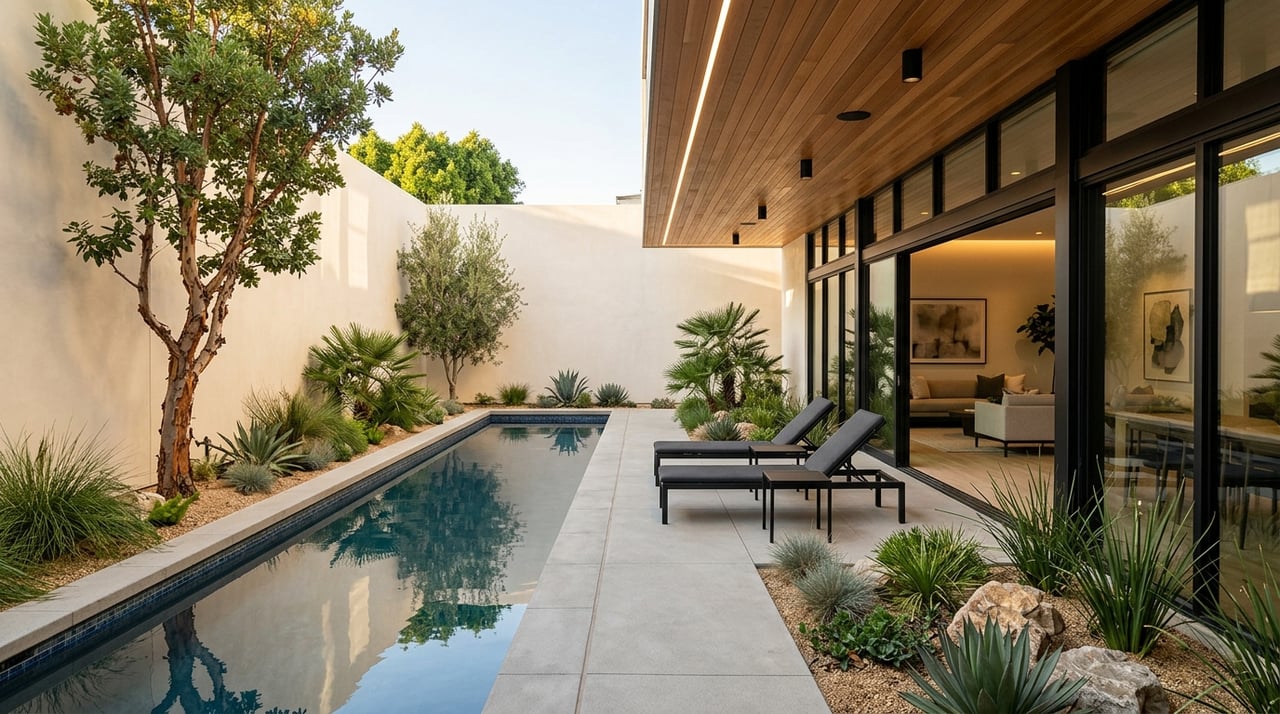
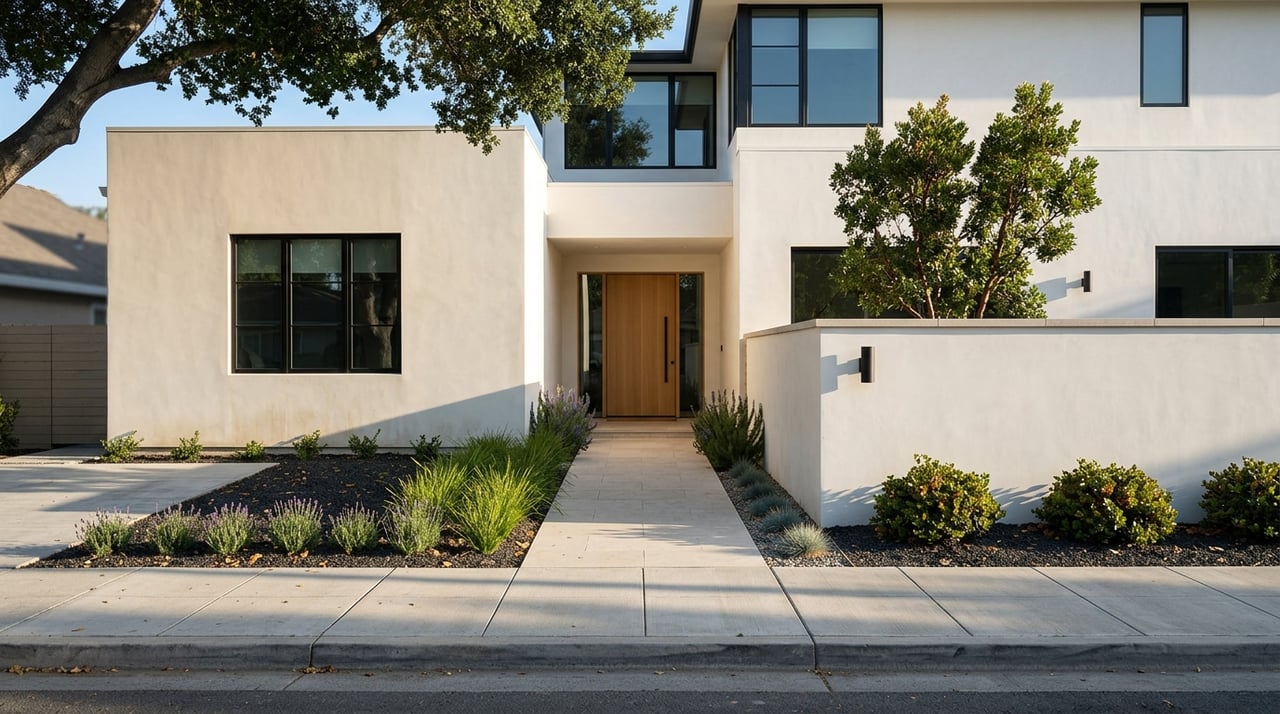
For you as a buyer, that often translates to more ranch-style homes, modern lines, and Eichler-era design on the south side than in the older north and central core. If you like open layouts, mid-century architecture, or a more suburban residential feel, South Palo Alto may offer more of what you want.
Walkability Is Stronger in the North
Walkability varies block by block, but the city’s north and central core is generally the most walkable part of Palo Alto. Walk Score data for Downtown North and University South both come in at 88, which reflects strong access to daily errands, dining, and local services.
South Palo Alto is more mixed. Midtown Palo Alto is rated 54, South of Midtown is 52, and Greenmeadow is 63. That does not mean South Palo Alto is inconvenient, but it usually means a different lifestyle rhythm, with more driving for some errands and a more residential pattern overall.
Both Sides Support a Bike-Oriented Lifestyle
Palo Alto is well known for biking, and that benefit extends across the city. The neighborhood Walk Score pages show very high bike scores, and the city also publishes a 2025 bicycle map and transportation resources.
For many buyers, this is an important tie-breaker. Even if you choose a less walkable area, Palo Alto’s bike network can still make school commutes, park access, and local errands more manageable.
Commute Access Differs by Side of Town
Commute patterns are another major point of difference. North and central Palo Alto have a clear advantage for buyers who want easier access to the city’s main regional transit hub. The Palo Alto Transit Center connects riders to Caltrain, VTA, SamTrans, Dumbarton Express, and Stanford’s Marguerite shuttle.
South Palo Alto has a different transportation story. The city’s South Palo Alto bike and pedestrian planning has focused on improving crossings along the Caltrain corridor, and the Charleston-Arastradero corridor is described as a heavily used east-west connector for the southern part of the city. In practical terms, your commute may depend more on how close you are to those local connectors than on simple north-south geography.
School Assignment Requires Address-Level Checks
Schools are often one of the first things buyers ask about, but in Palo Alto, you should avoid broad assumptions based on neighborhood name alone. PAUSD states that students are assigned by residence within a school boundary, with neighborhood elementary schools grouped into clusters that feed middle and high schools.
That means a small boundary shift can change the feeder pattern tied to a home. A historical PAUSD boundary memo shows examples of how specific areas were assigned differently over time, including areas north of Oregon Expressway and portions of the south side near California Avenue and Page Mill.
There are two practical takeaways for you:
- Verify school assignment by exact address, not by neighborhood label
- Consider daily travel since PAUSD says it does not provide general student transportation
PAUSD also offers School Finder and Walk and Roll resources, which can be especially helpful if walk or bike convenience matters in your search.
Prices Usually Run Higher in North and Central Palo Alto
Price is often where the north-south conversation becomes most concrete. At the citywide level, the market remains expensive by any measure. Redfin reported Palo Alto’s median sale price at $3.0 million in January 2026, while Zillow’s citywide median sale price for December 2025 was just over $3.029 million, according to the market summary cited in the research report.
Inside Palo Alto, though, pricing can vary dramatically. Old Palo Alto posted a median sale price of $10.434 million, far above the city median. That helps explain why many north and central neighborhoods are viewed as premium pockets within an already high-priced market.
A rough ZIP-code comparison points in the same direction. Realtor market snapshots cited in the research report show ZIP 94301 at about $4.9915 million, while 94306 was listed around $1.9888 million to $2.204 million, depending on the snapshot. ZIP codes are not perfect stand-ins for neighborhood lines, but the overall pattern is consistent: north and central Palo Alto usually command a materially higher price than the south side.
What Buyers Should Weigh Most
If you are deciding where to focus your search, start with the lifestyle factors that will shape your day-to-day experience. In Palo Alto, the “better” area is usually the one that best matches how you want to live.
North and central Palo Alto may suit you if you want:
- Older architecture and historic character
- Higher walkability near downtown areas
- Easier access to the Palo Alto Transit Center
- Proximity to premium-priced central neighborhoods
South Palo Alto may suit you if you want:
- More postwar, ranch, or Eichler-era housing
- A more residential, neighborhood-driven feel
- Potentially lower entry pricing than many north and central pockets
- Strong bike connectivity and practical east-west travel routes
What Sellers Should Know
If you are selling, understanding this neighborhood split can help you position your home more effectively. Buyers often respond first to the broad shorthand of north versus south, but they make decisions based on the finer details like architectural style, block location, commute convenience, and school assignment by address.
That is why pricing and marketing strategy should be hyper-local. A historic home in a north or central pocket may need a different presentation than a mid-century or Eichler-style property in South Palo Alto. The most effective approach is to frame your home around the lifestyle and location benefits buyers can actually verify.
The Bottom Line on North vs South Palo Alto
North versus South Palo Alto is a helpful starting point, but it is not the whole story. The north and central parts of the city generally offer older homes, stronger walkability, and higher prices, while the south side often offers more mid-century housing, a quieter residential feel, and lower pricing in many areas.
The smartest move is to compare specific neighborhoods and exact addresses through the lens of your budget, commute, housing style, and daily routine. If you want a clear, data-driven read on where your search or sale fits in today’s Palo Alto market, Aladdin Kanawati can help you build a strategy that matches your goals.
FAQs
How is North Palo Alto different from South Palo Alto?
- North Palo Alto is generally associated with older and more historic neighborhoods, stronger walkability, and higher prices, while South Palo Alto is more often associated with postwar and mid-century housing, a more residential feel, and lower prices in many areas.
Are North and South Palo Alto official city boundaries?
- No. They are practical real estate shorthand based on city neighborhood patterns, not formal municipal boundary lines.
Which part of Palo Alto is more walkable?
- North and central Palo Alto are generally more walkable, with areas like Downtown North and University South scoring higher than many South Palo Alto neighborhoods.
Are home prices higher in North Palo Alto or South Palo Alto?
- In general, north and central Palo Alto tend to be more expensive, though exact pricing depends on the specific neighborhood, lot, condition, and location.
How should buyers verify Palo Alto school assignments?
- Buyers should confirm school assignment by exact property address using PAUSD resources, because school boundaries and feeder patterns can vary within the city.
Is South Palo Alto a good fit for mid-century home buyers?
- Yes. South Palo Alto includes areas known for postwar, ranch, and Eichler-era homes, which can appeal to buyers looking for mid-century design.