Trying to choose between a San Francisco condo and a Peninsula townhome? You are not alone. Many Bay Area buyers are weighing the same tradeoff: better walkability and city access versus more space and a different daily rhythm. If you are deciding where your money, commute, and lifestyle line up best, this guide will help you compare the numbers and the real-life fit. Let’s dive in.
Price and space today
If you start with budget alone, the choice is not always as simple as “city condo costs less.” Current Redfin data for San Francisco condos shows a median listing price of $1.07 million, with 503 condos for sale, about 28 days on market, and roughly 5 offers on average. In San Mateo County, townhouses are at a median listing price of $1.4 million, with 57 for sale, about 22 days on market, and around 1 offer on average.
That means a Peninsula townhome often costs more in total, even if it may give you more room. Over a rolling 12-month Bay Area sales dataset through late July 2025, San Francisco 2-bedroom condos had a median of $1.25 million and 1,183 square feet, while San Mateo County 3-bedroom townhouses came in around $1.483 million and 1,626 square feet. The practical takeaway is clear: if you want more interior space, a townhome often delivers it, but not necessarily at a lower purchase price.
Broader market values help frame that comparison. According to Zillow’s home value data for San Francisco, the city’s typical home value is $1,299,230, up 4.0% year over year, while San Mateo County’s typical home value is $1,606,596, up 0.4%. So if you are shopping with a similar budget in both areas, you are usually comparing urban proximity in San Francisco with larger living space on the Peninsula.
Lifestyle fit matters most
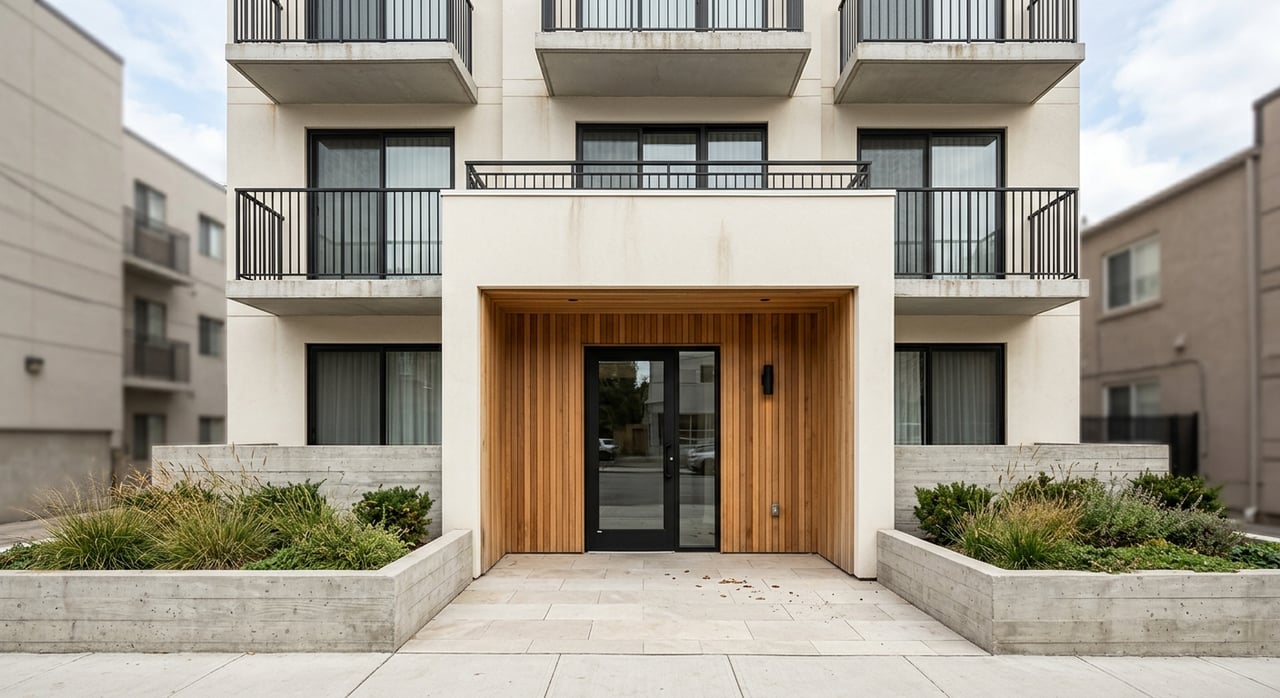
Price gets your attention, but lifestyle usually decides the winner. If you want to do more of your daily life on foot, San Francisco has a strong case. Redfin gives the city a Walk Score of 89, which supports a condo lifestyle built around nearby errands, dining, and city convenience.
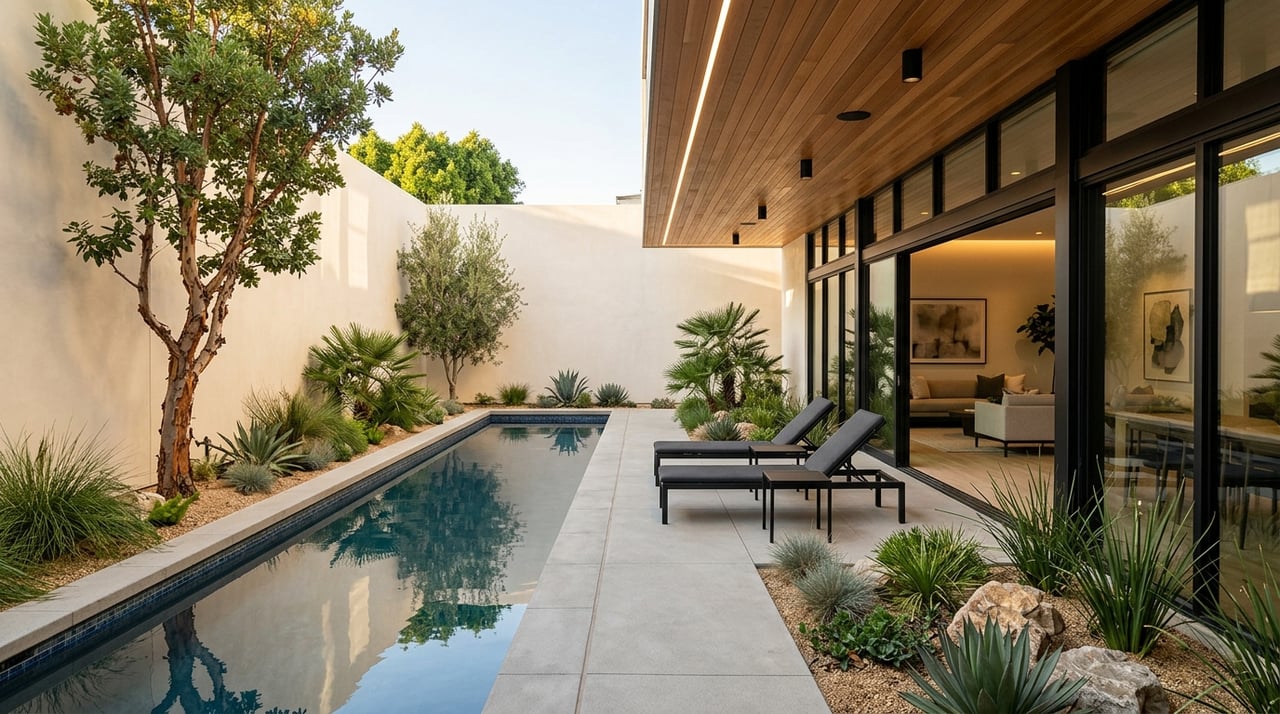
A Peninsula townhome can offer a different kind of balance. You may gain extra bedrooms, more storage, or more separation between living spaces, which can matter if you work from home, host often, or simply want more room to spread out. But the setting often feels less dense and less instantly walkable than many San Francisco condo locations.
That said, Peninsula living is not just suburban and car-bound. Caltrain’s destinations guide highlights downtown stops like San Mateo, Redwood City, Menlo Park, and Sunnyvale for their walkable business districts, local shops, and dining. In many Peninsula locations, your daily life can land somewhere between full city living and fully car-dependent living.
Commute can tip the scale
If your week revolves around getting between San Francisco and the Peninsula, commute patterns can matter just as much as square footage. Caltrain reports that its fully electrified service launched on September 21, 2024, with peak service every 15 to 20 minutes and weekend trains running twice hourly. That has made rail access a bigger part of the buying conversation for many Peninsula shoppers.
San Mateo County’s 2025 congestion report adds useful context. It places average Caltrain travel time between San Mateo and San Francisco at 29 minutes northbound in the morning peak and 23 minutes in the evening peak. If your routine lines up with a station and your work or social life connects well on either end, a Peninsula townhome may feel more practical than you expect.
On the other hand, if you want to minimize transfers, reduce commute planning, or be close to more of your day-to-day activities in the city, a San Francisco condo may fit better. This is especially true if you value being able to walk to more destinations instead of organizing your day around rail schedules or driving time.
HOA differences are worth a close look
Many buyers assume condos always have HOAs and townhomes do not. In California, that is not a safe assumption. The California Department of Real Estate explains that when you buy in a common interest development, membership in the homeowners association is automatic.
The bigger question is not whether there is an HOA, but what the HOA covers. The DRE’s residential subdivisions guide explains that condominium projects include separate units plus common area, while planned developments can structure common area and exclusive-use rights differently. In plain terms, a townhome may still have shared rules, dues, and maintenance obligations, but the exact setup can vary a lot from one community to another.
Before you buy either property type, the DRE advises reviewing:
- CC&Rs
- Association budget
- Reserve account
- Insurance coverage
That matters because HOA dues are not just another monthly bill. They reflect what the community maintains today and what it is setting aside for future repairs. A condo building may cover more shared systems and exterior components, while a townhome community may divide responsibilities differently.
Resale and market behavior
If you are thinking ahead to your exit strategy, resale patterns deserve a careful look. San Francisco condos have shown more cyclical behavior than the broader market. In mid-2025, Redfin reported that 35.6% of for-sale San Francisco condos were at risk of selling at a loss, and it noted that the city’s median sale price climbed to a record $1.68 million from 2020 to 2022 before easing closer to pre-pandemic levels.
That does not mean San Francisco condos are a poor choice. It means they may be more sensitive to market cycles, inventory shifts, and buyer demand changes. If you buy a condo in the city, it helps to think clearly about your likely holding period and your tolerance for short-term swings.
On the Peninsula, attached homes are also moving. MLSListings reported that San Mateo County common-interest homes sold in 13 days at 102% of list price in March 2025. This is not townhome-only data, but it is a solid proxy for demand in the county’s attached-home market.
Current listing snapshots also show a difference in negotiation dynamics. San Francisco condos are drawing about 5 offers on average, while San Mateo County townhouses are seeing about 1 offer on average, based on Redfin’s current active listing snapshot. That is not a permanent rule, but it can help you set expectations around competition, timing, and pricing strategy.
Which choice fits your life?
If you are torn between these two options, the answer usually comes down to how you want to live for the next several years. A San Francisco condo may fit best if you prioritize walkability, city access, and a more urban day-to-day routine. A Peninsula townhome may fit best if you want more space, a different pace, and a commute that works well with Caltrain or your broader travel patterns.
A simple way to decide is to rank these factors in order:
- Commute practicality
- Interior space needs
- Walkability and daily convenience
- Comfort with HOA structure and dues
- Resale timeline and market sensitivity
If your top priorities are being near city destinations and doing more on foot, a condo often wins. If your top priorities are extra square footage and a layout that supports changing household needs, a townhome often makes more sense.
The right answer is rarely just about price per square foot. It is about whether your home supports your work, your routines, and your next chapter without stretching the wrong part of your budget or lifestyle.
If you want help comparing specific San Francisco condos against Peninsula townhomes based on your commute, budget, and long-term goals, Aladdin Kanawati can help you sort through the tradeoffs with a clear, low-pressure plan.
FAQs
Should I buy a San Francisco condo or a Peninsula townhome if I want more space?
- If space is a top priority, a Peninsula townhome often offers more interior square footage, but usually not at a lower total purchase price.
Are Peninsula townhomes easier than San Francisco condos for commuting to San Francisco?
- They can be, especially if the home is near Caltrain, since current data shows San Mateo-to-San Francisco trips averaging about 29 minutes northbound during the morning peak.
Do San Francisco condos and Peninsula townhomes both have HOAs?
- Often yes, because both property types can be part of a common interest development, so you should review the CC&Rs, budget, reserves, and insurance before buying.
Is resale risk higher for San Francisco condos than Peninsula townhomes?
- Current data suggests San Francisco condos have been more cyclical, while Peninsula attached-home demand has looked steadier at the county level, though individual property quality and location still matter.
Is walkability better with a San Francisco condo than a Peninsula townhome?
- In general, yes, since San Francisco has a Walk Score of 89, while Peninsula lifestyle often depends more on the specific townhome location and access to downtown areas or transit.